Author: khirawdhi
-

AI Security in the Age of Regulation: EU AI Act, NIST RMF, and ISO/IEC 42001
The rise of artificial intelligence poses enormous benefits from efficiency gains to new products but also introduces new classes of risks (bias, misuse, privacy, safety). Regulators and standards bodies globally are racing to codify guardrails around AI. In this new era, AI security is not just a technical engineering challenge, but also a compliance, governance,…
-
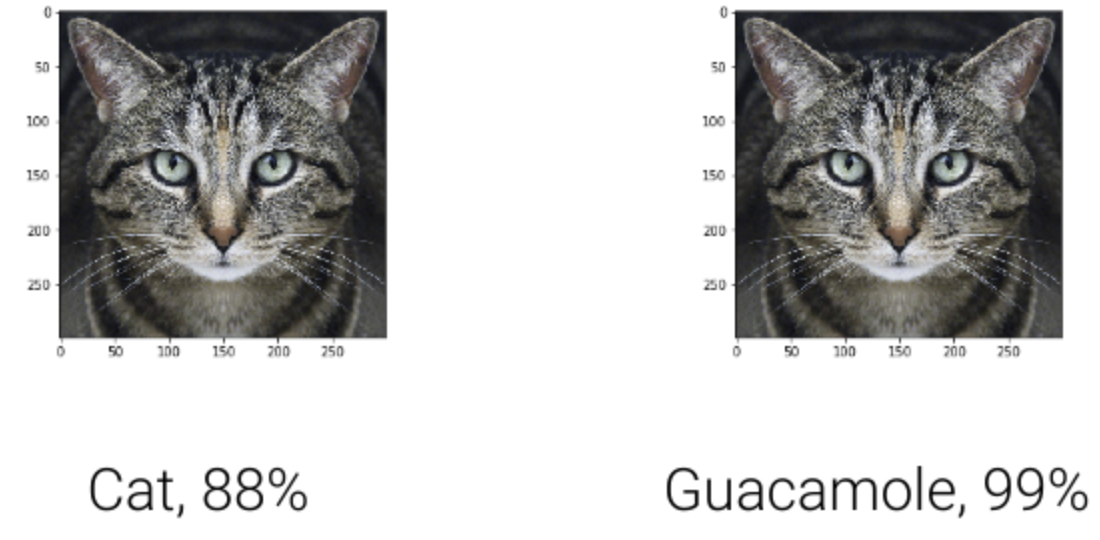
Adversarial AI in the Wild: Real-World Attack Scenarios and Defenses
AI is no longer just predicting clicks and classifying cats, it’s browsing the web, writing code, answering customer tickets, summarizing contracts, moving money, and controlling workflows through tools and APIs. That power makes AI systems an attractive, new attack surface often glued together with natural-language “guardrails” that can be talked around. This guide distills the…
-
Shadow AI: The Hidden Risk Lurking Inside Organizations
Artificial Intelligence (AI) has become the driving force behind innovation in enterprises optimizing operations, enabling predictive analytics, and enhancing decision-making. But with AI’s rapid adoption comes a dangerous byproduct: Shadow AI. Just as “shadow IT” once described unsanctioned apps and tools used without IT’s approval, Shadow AI refers to AI systems, models, and tools deployed…
-

ML Supply Chain Security: Protecting the Pipeline of Machine Learning
Machine Learning (ML) is the backbone of modern digital transformation, powering fraud detection, medical diagnostics, recommendation engines, and more. But with great adoption comes great risk. ML systems are not isolated models; they rely on a complex supply chain of data, frameworks, libraries, pre-trained models, APIs, and deployment pipelines. Each of these dependencies introduces security…
-
AI Security Blueprint: MITRE ATLAS Threat Modeling
Artificial Intelligence (AI) is no longer a futuristic vision, it powers search engines, recommendation systems, financial markets, autonomous vehicles, and enterprise decision-making. But with this power comes risk. AI systems are vulnerable to attacks that target not just their software and infrastructure but also their data, models, and decision logic. Traditional cybersecurity frameworks while effective…